Cuando la tecnología convierte la escenografía en experiencia.
Hubo una época en que la escenografía de un evento era básicamente un telón bonito y un logo gigante atrás. Funcionaba, sí… pero no emocionaba a nadie. Hoy, gracias a las pantallas LED, ese fondo pasó a mejor vida. En los eventos masivos, la escenografía dejó de acompañar el show y empezó a contar la historia.
La evolución de esta tecnología hizo toda la diferencia. Más resolución, menos pixel pitch y un control del brillo capaz de pelearle al sol, la lluvia y a los celulares de primera fila. Las pantallas LED ya no solo se ven bien: funcionan donde sea. ¿El resultado? Escenarios más dinámicos, flexibles y visualmente excitantes… en el buen sentido.
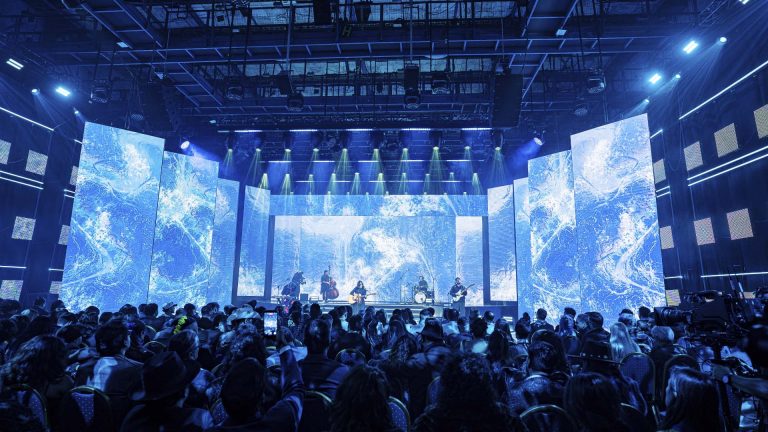
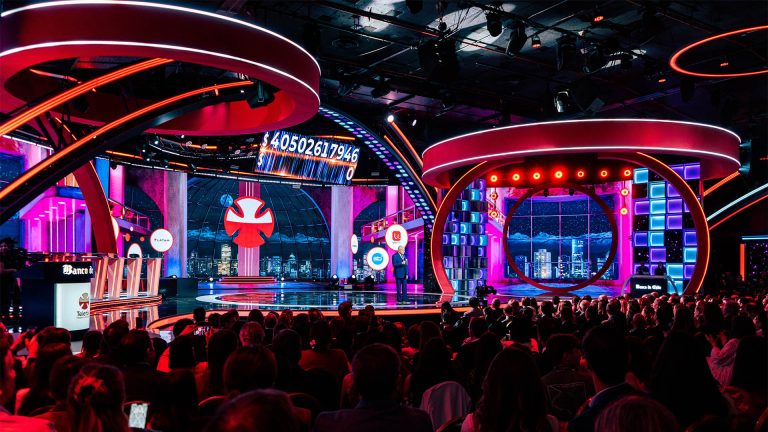
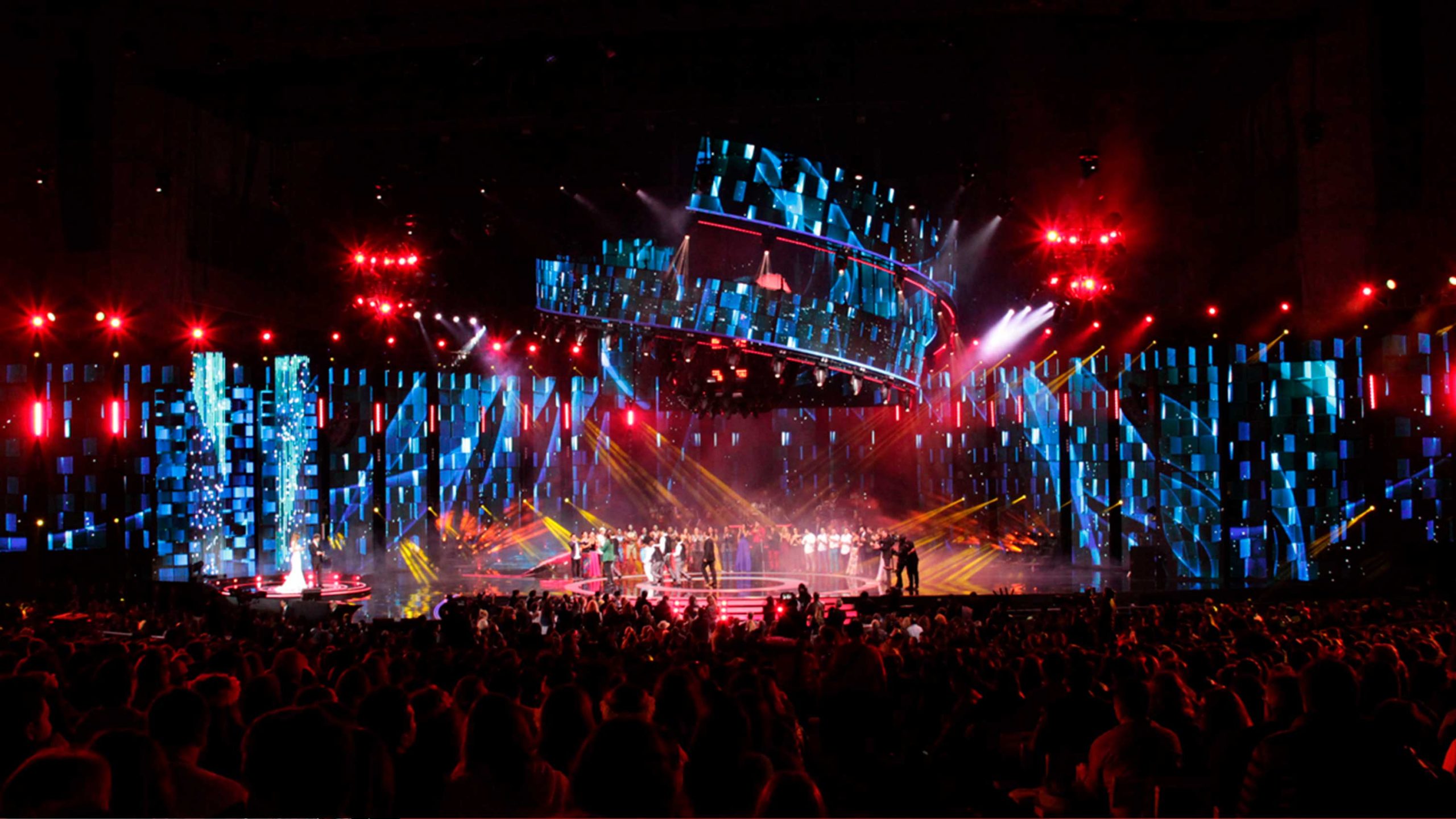
En los eventos masivos actuales, la escenografía ya no se construye solo con fierros y telas. Las pantallas LED permiten crear entornos digitales que cambian en segundos. Escenarios curvos, superficies volumétricas, cielos digitales y fondos en movimiento aparecen y desaparecen como si nada, mientras el público simplemente dice: “wow”.
Esta innovación también le hizo un favor enorme a la producción. Menos tiempos de montaje, menos camiones, menos estrés y más posibilidades creativas. Un mismo escenario puede transformarse varias veces en una noche sin desarmar nada. La escenografía se vuelve versátil, escalable y, por fin, aliada de la creatividad.
Y cuando entran en juego los sistemas en tiempo real, la cosa se pone realmente interesante. Motores gráficos, cámaras y software de control permiten que el contenido visual reaccione en vivo a lo que ocurre sobre el escenario. La tecnología deja de ser un fondo bonito y pasa a jugar en la misma liga que el artista, el presentador o la banda.
En MADIS, lo vemos así de simple: las pantallas LED no son solo pantallas. Son una herramienta de innovación que convierte la escenografía en experiencia. Bien usadas, transforman los eventos masivos en momentos memorables… de esos que se disfrutan en vivo y se viralizan en Tik Tok al día siguiente.
When technology transforms scenery into experience.
There was a time when an event's stage design was basically just a pretty backdrop and a giant logo in the background. It worked, sure… but it didn't excite anyone. Today, thanks to LED screens , that backdrop is a thing of the past. At massive events , the stage design has stopped simply accompanying the show and has started telling the story.
The evolution of this technology has made all the difference. Higher resolution, smaller pixel pitch , and brightness control that can compete with sunlight, rain, and even the brightest smartphones. LED screens no longer just look good: they work anywhere. The result? More dynamic, flexible, and visually exciting environments… in a good way.
In today's massive events, stage design is no longer built solely with metal and fabric. LED screens allow for the creation of digital environments that change in seconds. Curved stages, three-dimensional surfaces, digital skies, and moving backdrops appear and disappear effortlessly, while the audience simply exclaims, "Wow!"
This innovation also did a huge favor for production. Less setup time, fewer trucks, less stress, and more creative possibilities. The same set can be transformed several times in one night without dismantling anything. The set design becomes versatile, scalable, and finally, an ally of creativity.
And when real-time systems come into play, things get really interesting. Graphics engines, cameras, and control software allow the visual content to react live to what's happening on stage. Technology stops being just a pretty backdrop and starts playing on the same level as the artist, the presenter, or the band.
At MADIS , we see it this simply: LED screens are not just screens. They are an innovative tool that transforms stage design into an experience. When used well, they turn large-scale events into memorable moments… the kind that are enjoyed live and go viral on TikTok the next day.
¿Tu próximo proyecto necesita tecnología o producción audiovisual?
Agendar una reunión →